


It sounds like a scene from a Wallace & Gromit movie and indeed the consequences can be equally perilous. You’ve had a long day at work… or perhaps your mind is on the weekend’s derby game… you’re on the petrol station forecourt and you’ve realised that even though it’s called a petrol station you actually need diesel for this car. And now you’ve just filled the tank (precisely rounding it off to an exact pound… always important) with expensive – and perfectly unusable – fuel.
What to do? Well, the first thing is not to panic and certainly not to beat yourself up about it. We’ve all done it, and it happens all the time. However if you read this guide on how to prevent the situation happening in the first place… and then what to do if it does happen, you have at least put in the ground work. And you will have done what you can to avoid perhaps the most aggravating mistake in day-to-day life… along with losing your glasses and putting on the wrong trousers (because you can’t find your glasses).
Check behind the petrol cap cover
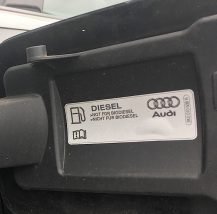 First of all let’s think about prevention, and stopping the situation happening in the first place. You may find, for instance, that there is a reminder – on the inside of the fuel flap – that informs you of the fuel you must use for that vehicle. This can be particularly useful if you have multiple cars in the family, that perhaps use different fuel. With the best will in the world, it doesn’t take much for you to lose track of which one you’re in, so having a written reminder can really help clarify the situation. If you want to go further, and have £15-30 to spend (remembering it can prevent a costly mistake) you can buy a diesel fuel cap that will actually physically prevent you filling a diesel car with petrol, as diesel pumps are usually a little bigger than the petrol ones anyway. But of course nothing beats the very simple strategy of paying attention every time you pull up on the forecourt and taking your time, no matter what is running through your mind, to think through what fuel you need.
Don’t move!
So that’s the prevention side of things. If you’ve read all of that but still use the wrong fuel, then read on for the cure. Firstly, on realising the mistake, in no circumstances turn on the engine or attempt to drive the car. In fact, don’t even put the key in. Instead, put the car into a neutral gear and either yourself, or with help (perhaps a friendly someone from the petrol station) move the car away from the pumps and into a secure location. You will need to tell someone at the petrol station about the situation (sparing blushes) and then consider next steps. This might include phoning your breakdown cover provider, should you have one, or perhaps your insurer, if you are covered for this eventuality. If you are covered – then lucky you – they may well tow you home and then organise draining out the fuel. If not, you will need to contact a local garage and have someone come out to save you, someone trained in how to drain out the wrong fuel, flush out the system and allow you to fill up with the right fuel. Be prepared to pay over a hundred pounds for the call out AND the mechanic is likely to keep the drained fuel as well.
So what’s the big deal anyway? Well, if you’ve got a diesel car you may know the diesel acts very differently to petrol, and actually helps lubricate the engine. Add petrol to that mix and you in effect add a solvent that stops that process, creating friction and damaging the engine immediately. Conversely, if you have a petrol car and add diesel, then you’ll probably find that the car won’t start at all, as diesel acts very differently to petrol. And that will actually save you time and bother because after all of this, if you do start the car and drive away with the wrong fuel, the car will soon stop working and you will be faced with much more damage and potential costs to fix the situation.
Best advice? Just think very carefully the next time you pull up to fill up. Fuel is expensive these days, as we all know… but not as expensive as getting this one wrong.
It was announced last month that petrol and diesel cars will soon be a thing of the past, with the sale of new fuel powered cars banned from 2040.
At Duffy Motors, we have already started training our staff in how to fix electric vehicles and hope to become Manchester’s repair destination for all electric car drivers. But while petrol and electric vehicles are still with us we want to make sure that all our customers make the most of them.

The RAC claim that boy racers could achieve savings of up to 30% if they used petrol and diesel more efficiently. But even careful drivers could save about £500 each year if they spend £50 per week on fuel.
Here are some top tips for cutting petrol or diesel consumption.
Keep your car properly serviced
A well-maintained car, that is serviced each year, is up to 10% more efficient than one that has been allowed to fester in its old oil.
It’s also less likely to break down, saving you on you on MOT and repair costs.
Avoid rush hour
You might hate traffic jams even more if you knew how much it was costing you in extra fuel. When your car is in first or second gear it is gobbling up fuel, so if you barely get above 20mph before you need to brake again, then you know you are using fuel inefficiently.
Avoid rush hour if you can or think about getting a hybrid car, which is much more efficient around town centres.
Shut your windows
Anything that makes that windy ‘wooshing’ sound when you are driving is not very good for your fuel consumption. Extra drag caused by open windows or sunroof means your car has to work harder to achieve the same speed.
Opening your window at lower speeds won’t have as much impact on your car’s aerodynamics so is preferable to using the air con if you need to cool down.
Switch off the air con
Newer cars perform slightly better, but generally speaking, air conditioning uses an incredible amount of fuel so make sure you only use it when you absolutely need to.
Winding down your windows is preferable at lower speeds, but if you are on the motorway then the air conditioning will only increase your fuel consumption by a few percentage points.
Remove the roof rack
Roof boxes, cycle racks, and anything else that adds extra weight and wind resistance to your car is subtracting from your fuel efficiency.
The RAC estimates that a roof rack can impact on your fuel consumption by as much as 10% while a big roof box can be like having a second car strapped to your roof.
Take out extra weight
You wouldn’t carry a heavy rucksack around town if you didn’t need to, so don’t make your car carry all that extra weight when you aren’t going to use it.
It may seem practical to use your car boot as a hoarders hideaway, but all the extra weight will hit your wallet.
Drive at a constant speed
Driving at a constant speed, in the highest gear you can, is the best way to bring down your bills. Make sure you accelerate and decelerate smoothly and shift up the gears as soon as you can without labouring the engine.
Make sure you drive patiently and don’t bother with speedy overtaking manoeuvres.
Slow down
As well as driving at a constant speed and accelerating and decelerating smoothly, you want to make sure that you are driving at a suitable speed.
The ideal speed is about 50mph, driving at 70mph can be as much as 20% less efficient.
Check your tyre pressure
The lower your tyre pressure, the more fuel you need to make your car move.
Taking five minutes to check your tyre pressure each fortnight could save your lots of money over the course of a year. You can usually find your recommended tyre pressure near the lock inside the driver-side door.
Check petrol prices
Driving several extra miles to get slightly cheaper petrol is obviously not cost-effective, but it pays to know where the cheapest pumps are near your house or place of work.
Go to PetrolPrices.com, enter your postcode and it will tell you the cheapest petrol stations within a five or ten-mile radius. Prices within five miles of Duffy Motors at the time of writing ranged from 110.9p to 122.9p per litre.
Split the cost of your commute
Some ride-sharers can save £1,000 or more per year on fuel, upkeep and parking costs. Find someone at work who lives close by or register your details on Liftshare.com to see if you can find matching commuters.
Customer Reviews
See what some of our clients have shared about Duffy Motors
We Encourage our customers to share their experiences with us.