


The Problem With The A5
This Audi A5 came into the workshop with two worries: a persistent squeaking noise from the engine bay and a clutch that didn’t feel right. The owner was concerned the noise might be something serious – and they were right to get it checked sooner rather than later.

The Duffy Diagnosis

After inspecting the car, we traced the squeak back to the timing belt. Left alone, this can lead to much bigger (and more expensive) engine problems. We also confirmed the clutch was worn and needed replacing, along with the dual mass flywheel – a common issue on cars of this type as the miles add up.
On this model, the layout of the engine and gearbox makes access tight. Rather than struggle and risk cutting corners, we chose the proper method: dropping the entire powertrain out of the vehicle. It’s a bigger job, but it’s the safest and most accurate way to do this repair properly.

The Fix
We replaced the timing belt, fitted a full new clutch kit and installed a new dual mass flywheel. Everything was reassembled, tested, and road-checked.
The result? No more squeaks, smooth gear changes, and a car that now drives beautifully again – just as an Audi should.
PCH (personal contract hire) dominates how we own cars in the UK. According to the BVRLA (British Vehicle Rental & Leasing Association, 64% of new vehicle contracts in 2018 were recorded as PCH – and it’s not hard to understand why.
With flexible contract and mileage terms, ranging from 24 to 60 months, notable choice of vehicles,
fixed monthly repayments, and zero hassle once the contract agreement has expired, it’s no surprise
that motorists across the UK laud PCH as being a highly attractive way of owning a vehicle.
What’s more, at the end of your contract hire agreement, all you need to do is to return the vehicle
to the finance company. There’s no option to buy and you’ll be able to replace the vehicle with a
new one. However, there is one caveat. When you return the vehicle, you need to make sure that it
meets BVRLA Fair Wear and Tear Guidelines. If it doesn’t you may have to pay to fix any issues.
If you’ve leased a vehicle on PCH and it has incurred a dent, scratch or other damage throughout
ownership, it’s paramount that you get these fixed by a reputable garage, like Duffy Mechanics,
before returning the vehicle.
What Happens When I Return My PCH Vehicle?
When you return a PCH vehicle, it will undergo a thorough inspection. This will be completed either
a week before returning the vehicle or on the day of the return depending on the terms and
conditions of the finance company.
It’s important to remember that you’ll be charged the full amount to repair any damage if it’s not
covered by BVRLA Fair Wear and Tear guidelines will be chargeable. Typically, if required, you’re
then given a week to complete any repairs. However, if clear repairs are required the finance
company will send you an invoice for any work completed.
The value of the vehicle after the contract has expired is of little consequence to the finance
company when repairs are factored in. Therefore, you must make sure that your vehicle is in optimal
working condition for its age.
What Damage Is Acceptable Under the BVRLA Fair Wear and Tear Guidelines?
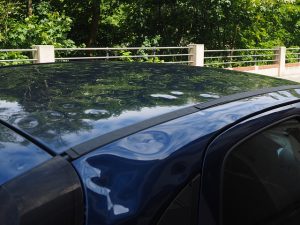 At the start of your leasing contract, your broker will give you documentation that outlines the
industry standard for vehicle wear and tear. It’s important to keep this safe as, not only will you
need it when you return the vehicle but, it acts reference throughout your leasing history.
It’s also good to keep an eye on the condition of your vehicle throughout ownership. Most of us
have a good eye for scratches or dents, especially if they’re distinct, such as a cracked windscreen or
noticeable eight-inch scratch on the paintwork. Remember that if you can see exterior or interior
damage, a vehicle inspector will too.
Fortunately, finance companies do allow for a little leeway and fair wear and tear, so you won’t be
responsible for small scrapes and scratches. If you’re unsure if you’ll be liable to pay for any damage,
this information is listed in the BVRLA Fair Wear and Tear guidelines, but for ease here’s what’s
considered acceptable.
- Scratches up to 25mm (except where the primer and bare metal is showing)
- Scuffs up to 25mm on alloy wheels
- Scratches that don’t interfere with the driver line of sight
- Tyres that meet UK legal requirements
- Light staining to the driver business seat area
- Damage to the lens (no broken glass)
If in Doubt, Visit Duffy Motors
Getting bumps, scratches or especially dents fixed will save you money. Period. However, what if
you’ve identified damage or faults to your PCH vehicle and are unsure if the damage is covered
under the BVRLA Fair Wear and Tear guidelines? Visit Duffy Motors.
It’s always wise to be proactive and understand your financial obligations when leasing a vehicle.
Neglecting to book your lease vehicle into a garage to assess any damage may result in costing you a
lot more money when a finance company provides you with a quote.
Duffy Motors has an established reputation as one of the premier garages in Manchester, a
reputation that’s been honed over thirty years of superlative service. If you need a garage to resolve
any issues that you’re experiencing with a PCH vehicle, get in touch with us today on 0161 834 4168.
Data compiled by WhoCanFixMyCar.com reveals which cars are the cheapest and which are the most expensive to maintain and repair in the UK.
The repair quote comparison site compared maintenance costs across six categories – luxury and non-premium hatchbacks, luxury and non-premium saloons and luxury and non-premium SUVs.
Peugeot made the most expensive cars to maintain in the non-premium hatchback and saloon categories. The Peugeot 207 came out on top in the hatchback category with an average repair quote of £208.37, while the 407 topped the saloon category with an average quote of £230.15.
Toyota made the most expensive car in the non-premium SUV category, with the Rav-4 costing an average of £297.83 to get repaired. This was actually more expensive than the most expensive luxury SUV repair bill of £271.64 for a Land Rover Freelancer.
The Audi A3 and the Jaguar X-type topped the remaining luxury categories with average repair bills of £215.02 and £234.59 respectively.
WhoCanFixMyCar.com pointed out that the Rav-4 was not the most expensive car across the board, but for some larger jobs it was significantly more expensive.
Replacing the clutch on a Rav-4, for example, cost around £651.97 compared to an average of $428.26 for other cars.
No other Toyota models made it into the top five spots of expensive cars.
Duffy Motor’s Lee Atkinson believes that this is because of the supply of Japanese parts in the UK.
“Non-serviceable items on European cars are usually cheaper than parts for Japanese vehicles because it can be difficult to get hold of these parts,” Lee said.
He continued: “It’s also important that Manufacturers like Toyota and Peugeot don’t have as much market share in the UK compared with your Volkswagens, Vauxhalls, Fords and even BMWs. I would say that Rav-4s are particularly rare, and that’s why the big repair jobs are so expensive.”

[contact-form-7 id=”984″ title=”MOT Test Reminder Form”]
Separate research that takes account of costs like fuel and insurance found that the average British motorist will spend £168,880 on car running costs over their lifetime.
The research from AutoEurope.co.uk found that MOTs, servicing and repair costs account for around £40,000 of that total figure.
Independent garages cheaper than main dealers
WhoCanFixMyCar.com previously found that getting your car serviced or repaired by a main or franchised dealer is significantly more expensive than visiting an independent garage.
There are always variables with repair costs, but their study found that independent garages were, on average, 18% cheaper than the main dealers.
For relatively simple work, such as providing MOTs and servicing, independent garages were only slightly cheaper. But if these regular checks lead to more complex ‘off-the-menu’ work, requiring more intensive labour, it is much cheaper to go with an independent fixer.
Tips for bringing down maintenance costs
Here are Lee’s top tips for bringing down maintenance costs. These apply to all cars, not just German brands.
- Get your car serviced regularly. A low-cost service each year can identify problems and help you avoid an expensive repair job.
- Avoid cowboys. These can be difficult to spot but you can usually find a good mechanic by reading online reviews, such as those published by the Good Garage Scheme.
- Don’t go for the cheapest price, because you will get the cheapest work.
- Change your oil regularly and make sure you only use oil that’s recommended for your car.
- Check your tyre pressure regularly. Incorrect tyre pressure can cause your tyres to wear very quickly.
At Duffy Motors, we always try to deliver the highest quality MOT and servicing work at the most reasonable price points.
But generally, we only see customer’s cars at six-month or one-year intervals. In the intervening time, there are some basic preventative maintenance jobs that you can do that could end up saving you hundreds of pounds each year.
If performed regularly, these five car checks will help keep your car running healthily and could help you spot a minor problem before it develops into a more serious (and more expensive) problem.
Oil level
If you take just one thing from this blog post, check your oil level.
Checking your oil level is the most important thing you can do to keep your engine firing day after day.
Your engine needs oil to lubricate parts, but also for cooling and cleaning purposes. If your oil level dips too low then your engine can seize up or worse, start destroying itself from the inside.
Checking your oil is easy. Just dip the measure into the oil tank and check the fluid level is between the min and max markers.
On many modern cars, the dashboard display will indicate your fluid level.
Tyres
Checking tyre pressure and condition is crucial for performance and safety.
We recommend checking your tyre pressure every two weeks using a tyre pressure gauge. These affordable tools can help prevent tyre blow outs and can increase your fuel efficiency.
You should also be checking for noticeable signs of wear and failing tread on your tyres.
Measure your tyre tread depth to ensure that it is within safe legal limits.
The legal limit for tyres is 1.6mm, which is about the same depth as the outer rim of a 20 pence piece. Most manufacturers recommend changing your tyres when they get down to 3mm.
Lights
Broken lights are one of the main reasons why a car fails its MOT, it’s also one of the things that’s most likely to get your pulled over by the police.
Make sure you check all your lights – including headlights, brake lights, hazard/indicator lights, reverse lights and fog lights.
If any of the lights are broken you need to replace them immediately. If you are having difficulty finding the right bulb or fitting a replacement, one of our experienced fitters would be glad to do it for you.
Screen wash
It is a legal requirement to have a functioning screen wash system.
Make sure you keep your windscreen washer bottle fully topped up, using the right concentration of screen wash additive so that it clears away grime and doesn’t freeze.
If it is extremely cold outside, you can use the concentrated screen wash additive without adding any water.
You should also monitor the condition of your windscreen, looking out for chips and scratches and getting them repaired as soon as possible.
Coolant
You should check your engine coolant level and fan every week or so to make sure it is in good working condition.
Most modern cars have a sealed cooling system, so they shouldn’t need topping up unless they have sprung a leak.
Check the coolant when the engine is cold using a dipstick to check it is between the min and max levels.
If the coolant level has dropped significantly, make sure you get it checked out at a garage as it could be a warning sign of more significant problems to come.
If you have any questions about preventative maintenance, feel free to speak to a member of the Duffy Motors team today. Call: 0161 834 4168.
Customer Reviews
See what some of our clients have shared about Duffy Motors
We Encourage our customers to share their experiences with us.