


Vehicles fail their MOT for small issues that could’ve been easily avoided pre-test. You may be alarmed to find out what can fail an MO, as some issues really are quite minor. Why not organise an MOT checklist before the date of inspection to ensure your vehicle is in the best possible condition? This will allow you to be one step ahead of the tester!
Here at Duffy, we thought we would curate a list of some quick things you can do to give your vehicle the greatest chance of passing its MOT. See more detail below.
- Maintain a good level of cleanliness, inside and out. A boot full of mess and an overly dirty car can lead to an examiner refusing to carry out the inspection.
- Number plates should be cleaned as they must be readable to pass the MOT.
- Check windscreen wiper condition, look for any tears.
- Are all lights in working order? Ask a friend or family member to stand outside the car and confirm they are functioning correctly.
- Check tyre tread using the 20p test, and don’t forget tyre pressure too
- Top up all fluid levels including screen wash, brake fluid and oil.
- Check your horn works – give it a quick beep!
- Your mirrors should be intact and fastened to confirm you can use them securely.
- The Vehicle Identification Number (VIN) in your V5C logbook should match the markings on your car’s bodywork.
The Most Common MOT Fails
Lighting and signalling
Nearly a fifth of all cars that fail their MOT are due to an issue with lighting – it can be as simple as a blown bulb. To check your lights are in working order, switch your lights on and walk around your car. Are the indicators working as they should? Remember to check your number plate light. We also recommend checking the condition of your lights, often plastic lenses become misty over time so it may be worth purchasing a kit to clean your lights ahead of your inspection. Look out for any cracks in your lights, too.

Suspension
Data provided by the RAC shows that they assisted over 6,500 breakdowns caused by potholes, so it is no surprise that over 1 in 10 MOT failures are caused by suspension issues. It can be concealed fairly well, so you can be forgiven for not noticing a leaky shock absorber or a snapped spring. Pay attention to any noises that occur out of the ordinary during everyday driving in particular when cornering or passing over bumps. Some little checks to go over can be park your car up – does it sit level? Is it too high, or too low? Walk around the car and try pushing down on each corner, does it return back to its original level?

Brakes
It is pretty self-explanatory how important brakes are, however 1 in 10 cars fail their MOT due to problems with braking systems. Make sure you listen out for any squealing or grinding noises coming from your brakes, these are tell-tale signs that the pads are wearing low. When braking, does your vehicle stop in a straight line or does it swerve to a particular side? You may need to remove the wheel to do this, but we recommend that you should inspect the discs – Is the surface of the brake disc smooth? How thick are the brake pads?

Tyres
Your car can be fitted with the very best safety systems in the world, but if your tyres aren’t up to scratch, you can unknowingly put yourself in serious danger. All vehicle owners should check their tyres regularly, and not just for an MOT; UK law states that tyres must have 1.6mm of tread within the central three quarters. A simple way to check if yours meet this requirement is to insert a 20p coin – if the outer rim is visible, your tread is too low, and this could lead to a fine of up to £2,500 and land you with 3 penalty points per tyre. You shouldn’t just rely on the visible tread – feel the inside of the tyre as uneven wear can be a sign of issues with alignment or inflation. While checking your tyres, look out for lumps or cuts as both could cause a blowout and should be fixed as soon as possible.

If your car does fail it’s MOT
If you fail your MOT, the test centre will issue you a VT3O Certificate exhibiting the reasons for the fail.
If your car has a dangerous fault – you will be unable to drive your vehicle away. You should get a quote from the garage you received the MOT from, or you can call around for some quotes from other garages.
If your car has a major fault – dependent on severity you may be able to drive it away and if your previous MOT has not expired yet.
If your MOT has run out and the car is roadworthy – you can drive it to have the faults fixed and to a pre-booked MOT. Without an MOT or if you drive with dangerous faults, you can be fined £2,500, be banned from driving and get 3 points on your licence.
Electric vehicles are becoming more and more mainstream, and it is only going to continue as major cities are looking to introduce restrictions for which kind of vehicles are able to enter city centres.
The main drawback that has prevented electric cars from selling in greater numbers, is that they haven’t been able to compete respectively with petrol and diesel in terms of range – consumers don’t want to worry if they have enough charge to get where they are going. However, technology has now advanced and many models are now capable of covering more than 200 miles between charges, decreasing the gap to their combustion competitors.
So, which electric cars are the best? In this list, we count down our favourites.
1. Seat Mii Electric
If you’re looking for a plucky economical city car, the Electric Seat Mii is definitely a car to consider. It may not have the best battery capacity in its class, but this means that the price isn’t at a premium. With a 161-mile range it can still manage plenty for those city-goers.
| Pros | Cons |
| Competitive pricing | Limited seat space |
| Comfortable ride | Range could be better |
| Great city car | Old-school interior |
2. Mercedes EQC
The Mercedes EQC is the perfect car, if you are after the peace and quiet offered by going electric. The EQC has a range of 259 miles, which is plenty between charges. However, it is less efficient than its direct competitors, the Jaguar I-Pace and Audi E-tron. But only by minor margins, costing about a penny a mile more to run.
| Pros | Cons |
| Supremely quiet | Range between charges could be better |
| Comfortable motorway ride | The Audi e-tron is more practical |
| Decent infotainment system | Jaguar I-Pace is faster and more fun |

3. Tesla Model S
Tesla’s Model S is a great company car option as not only will your benefit-in-kind tax be next to nothing, but it offers staggering performance and impressive range. The Model S is very practical too, all controls are accessed using a 17in touchscreen which you can easily personalise to suit your needs. Updates are also brought out, adding new features with each roll-out.
| Pros | Cons |
| Mind-blowing performance | Interior quality could be much better |
| Impressive mile-range and fast charging network | The slightly more expensive Porsche Taycan is much more fun to drive |
| Large boot space | Expensive to buy |
4. Audi E-tron
The Audi E-Tron does lack in sport performance compared to its rival the Jaguar I-Pace, and it has a shorter mile-range. However, the interior is much nicer place to be in and it is a quieter cruiser. The E-tron is well-equipped with a list of standard equipment which includes heated front seats, two-zone climate control, an electric tailgate as well as charging points on both sides of the car to avoid having to drag cables over the car.
| Pros | Cons |
| Well-Equipped | Lacklustre mile-range |
| Smooth and quiet ride | Difficult infotainment system |
| Spacious and luxurious interior | Disappointing performance |

5. Hyundai Kona Electric
The Kona Electric blasts any range anxiety you may have out of the water, with a massive 250 mile plus range between charges. Well-equipped and reasonably priced, the Kona is a real contender when thinking of going electric.
| Pros | Cons |
| 250-mile-plus range in real-world driving | Unlikely to receive a discount |
| Powerful acceleration | Rear seat space is limited |
| Very well-equipped | Ride isn’t as comfortable as the Kia e-Niro or Peugeot e-208 |

6. Jaguar I-Pace
Jaguar’s first electric car the I-Pace can drive over 250 miles between charges in real-world conditions. It is able to charge up to 80% of capacity in only 90 minutes and, with a futuristic interior featuring two 12-inch screens paired with playful handling, it’s a very appealing option.
| Pros | Cons |
| Huge – range between charges | Expensive to buy |
| Playful handling | Poor rear visibility |
| Futuristic looks | Road noise is easily heard |
7. Kia e-Niro
Closely related to the Hyundai Kona, the Kia e-Niro is another car that crushes range anxiety, managing 253 miles. Offering great practicality, performance, comfort, and equipment all for a reasonable price, it’s no shock that the e-Niro is ranked so highly.
| Pros | Cons |
| 250-mile-plus range | Pricier than its competitor MG ZS EV |
| Strong acceleration | Fast charging points are difficult to find |
| Well-equipped interior | Smaller boot space than rivals’ |
8. Renault Zoe
Renault’s stylish, nippy small car costs pennies to run. Although only small, the electric motor still has enough go for the Zoe to charge away from the traffic lights and its interior has room for four to sit in comfort. The boot space is also much larger than you would expect from a small city car; easily big enough to fit your weekly shop in.
| Pros | Cons |
| Longer range than alternatives | Rear head room is tight |
| Smart, attractive interior | Driving position is uncomfortable |
| R135 has punchy acceleration | Automatic emergency braking not available on entry-level trim |
9. Peugeot e-208
The all new Peugeot e-208 is streets ahead of its fellow French competitor, with a high interior quality, spacious rear head room and extra safety kit. No compromise on boot space compared with petrol models and you can expect up to 200 miles between charges.
| Pros | Cons |
| Eye-catching, high quality interior finish | Renault Zoe has longer range between charges |
| Nice to drive | Soft braking |
| Well equipped | Not the cheapest option on the market |
10. Tesla Model 3
There are few cars that have received as much hype and anticipation before its launch than the Model 3. Tesla’s most affordable car yet is a great drive, packed full of tech, ridiculous performance and is surprisingly practical. A competitive price, matched with its sheer pace, the Model 3 is not only a great car but one of the top executive cars on the market.
| Pros | Cons |
| Savage speed | Build quality could be improved |
| Long range battery charges | Handling not as exciting compared to petrol rivals |
| Practicality | Firm ride |

Not so long ago, hybrid cars were seen as the choice for taxi drivers looking to save money on fuel costs. However, with more and more models joining the market, they are becoming a mainstream alternative to conventional combustion engine vehicles. Many consumers prefer the hybrid option to fully electric cars as it eliminates range anxiety, whilst being economical.
Knowing which hybrid is right for you, though, can be the difference between making a costly mistake or finding your perfect vehicle. So, here is our Top 10 hybrid picks for you to consider.
10. Hyundai Ioniq 1.6 GDi Hybrid
A direct competitor to the Toyota Prius, the Ioniq is a great first step into hybrid car world, it combines low running costs with a relatively low purchase price and reassuring driving experience. Conventional hybrid, plug-in hybrid and fully electric specifications are available, but we recommend the former as the best choice.

9. Audi Q5 55 TFSIe
The plug-in version of the Q5, is a luxurious hybrid choice, it’s provides little road noise and has a typical high-quality Audi interior. Despite being frugal in official tests, it has similar performance to the SQ5, reaching 0-62mph in just 5.3sec. It’s an expensive private buy but makes for a great company car.

8. Honda CR-V 2.0I-MMD Hybrid
The Honda CR-V offers a spacious interior for both passengers and luggage. The hybrid version combines a 2.0-litre petrol engine with an electric motor, which delivers plenty of push. The most efficient CR-V you can buy, the hybrid version makes for a great family car.

7. Volvo XC90 Recharge T8
The only plug-in hybrid available with seven seats, the XC90 is a great choice for buyers with a large family that don’t want to skimp on quality. It is also the quickest XC90 model by a considerable margin, yet it doesn’t compromise with its well-equipped infotainment system and modern interior.

6. Toyota Corolla 1.8 VVT-I Hybrid
Rear seat space is cramped for most over six-foot, but the hybrid family hatchback offers superb low fuel consumption and CO2 emissions, making it an excellent choice for private and company drivers. The Corolla’s standard spec is generous, and the even cheaper 1.8-litre version offers all the performance you need.

5. Honda Jazz 1.5 i-MMD
The Honda Jazz is the leading small car when it comes to passenger and luggage space, its unique and flexible rear seating adds practicality. All-round visibility is excellent making it easy to manoeuvre, its generously equipped interior and strong resale value, paired with low running costs, offset its high purchase price.
4. Volkswagen Passat GTE Estate
The plug-in Volkswagen Passat has recently been given a facelift, including an improved electric range. Plus, there is little road noise at all speeds, There is great rear passenger space and the estate body style offers you a very practical boot.

3. BMW X5 xDrive45e
BMW’s hybrid X5 is just as comfortable and luxurious as its combustion engine specifications, and in corners the extra weight does not affect its handling. The X5 is not available with seven seats, which is its main negative compared to its rival, the XC90. But it is far superior in many other departments e.g. a much longer electric range, a user-friendly infotainment system and a significantly lower company car tax bill. So, unless those extra seats are essential, then the X5 is the better car.

2. Skoda Superb iV
Skoda have combined a 1.4-litre turbocharged petrol engine with a 34 miles range electric battery. It has a similar base to the Volkswagen Passat and the Superb is just as comfortable, much more spacious and is also great value for money.

1. BMW 330e
BMW have managed to stay in touch with that 3 series magic, enjoyed by drivers for years, with their new 330e. There is nothing to suggest that its carrying more weight from the batteries as it is still a great drive. The interior feels suitably expensive, the infotainment system is simple to use and there’s good rear seat space. The 330e is truly a great car.

Diesel cars have been favoured by motorists, due to their superior fuel economy and reduced car tax. However, new diesel cars no longer have this benefit. Additionally, concern over emissions from diesel cars is affecting new legislations, residual values are depreciating, and petrol and hybrid cars are becoming more and more fuel efficient. So, is the preferred fuel of old, still the fuel of choice? Here, we look at whether diesels are still economical, whilst telling you all you need to know about diesel cars and the associated pollution issues. We also reveal which alternatives can give diesel a run for its money when it comes to motorway fuel economy.

Taxation hits diesel cars hardest
- Diesel cars usually cost more to buy than the equivalent petrol car. In the past, this wouldn’t have been an issue as it was possible to make your money back, as diesel cars had lower car tax and fuel costs.
- Changes to the car tax system means diesel owners now pay more in the 1st year, then all drivers pay a flat rate from the 2nd year onwards. So, savings now solely come from fuel economy.
- Hybrid cars are more fuel efficient around town but become comparatively expensive to run on the motorway. However, as technology keeps evolving, many hybrids now buck this trend.
- Diesel cars have come under fire for their toxic emissions. However, recent tests are revealing some diesel cars emit less than the average petrol car.
Diesel vs Petrol vs Hybrid Fuel Economy
Diesel cars have been known for having better fuel economy – and for good reason. In tests conducted by Which?, diesel cars trump their petrol counterparts in fuel economy on both motorway and city driving. Diesel might cost more per litre from a station, but currently a diesel car’s fuel costs will work out cheaper than a petrol car.
Hybrid cars are quickly catching up. Having unbeatable fuel economy around town has always been the hybrid’s bread and butter. But, compared with diesel, the main weakness hybrid cars have faced is its poor fuel economy for motorway driving.

As hybrid technology increasingly evolves, we expect more cars to follow suit – with improved fuel economy. If this happens, there will be little reason to choose a diesel car.
Hybrids cost more upfront
No matter what your budget is, cost is an important consideration. The price of a car varies on manufacturer, model range and fuel type being a major factor. The more advanced or economical a car’s power-train is, the more expensive it will be to buy. So, a diesel car usually costs a minimum of £1,000 more than its petrol-engine equivalent – and the added technology in hybrids means more cost again.
How durable are a hybrid’s batteries?
Car technology is developing at a dramatic pace in the motor industry – but how durable is it? This is a particular concern for hybrid car buyers, who place huge reliance on battery power. How many years or miles will each battery last? How much will it cost to replace?
Renault are one of the first manufacturers to launch a battery leasing scheme which helps alleviate those concerns as owners can automatically swap out a damaged item for a new one. Other brands cover the hybrid and battery components under a separate warranty (typically 5 to 8 years).
As for traditional fuel types, diesels have always been regarded as the most durable. However, all modern engines should be capable of reaching at least 200,000 miles if serviced regularly.
Emissions
Cars with more up to date technology will almost certainly be the most eco-friendly. The government has an ever-changing stance on what is good and what is bad for the environment, this all makes choosing a car very difficult.
Many would think that this only applies to combustion engines, but plug-in hybrids and even pure electric cars – aren’t totally in the clear. This is because the electricity used to charge their batteries is supplied from polluting power stations.
Petrol power has long been considered the least environmental option – slammed for its high carbon dioxide emissions. Recently, diesel cars have had their Eco-credentials stripped, with local authorities implementing ways to restrict their use – particularly in urban areas. Carmakers are at a crossroads, as the latest Euro 6 diesels are virtually as clean as petrol cars in all measurable tailpipe emissions.

Are Hybrids Really as Green as They Seem?
Due to their electric motor, hybrids burn less fuel compared to any conventional cars and emit less greenhouse gases during use. This is great, however what about the hybrid manufacturing process? In a report commissioned by an auto industry trade group, they revealed that when you factor in the waste generated during production, the gas-guzzling Hummer SUV is actually greener than the Eco-fanatics Toyota Prius. This raises an important question: Does the pollution produced in hybrid production offset the benefits of “green” driving? In a more recent study by pressure groups Transport and Environment and Greenpeace they claimed that carbon dioxide emissions from plug-in hybrids are two and a half times higher than the figures found from the manufacturer’s tests. Official figures place the average emissions at 44g of CO₂ per km, but in the new report it argues that the figures are closer to 120g on the roads. Does this mean that consumers are being misled about the impact of the cars they drive has on the environment?

There is still uncertainty on which fuel type is better. So in order to decide which car is for you, you must take into account how you will use the vehicle. If you are looking for a small city car with low mileage per year then a pure electric would be the more cost effective option for you, however if you spend most of your time on the road travelling long distances then a diesel car would be your preferred choice. For those who are looking into buying a petrol or hybrid cars, they are well suited to many average drivers providing great fuel economy in an urban setting paired with cheaper fuel cost than diesel.
With lockdown measures continuing to ease, many of us Brits are looking to holiday within the UK. As hotel rooms become harder to find a camper van is the perfect way for couples and families to travel up and down the country – but, they can be expensive to buy.
However, another option is to convert an existing van. Converting an existing van is a great way of saving money and allows you to add your own flare to your camper. You can do it yourself, however we would recommend getting help from a professional. There is a wealth of used vans available to purchase that can provide you with a solid base for you to work from. Here is list of some of the best.
Volkswagen Transporter
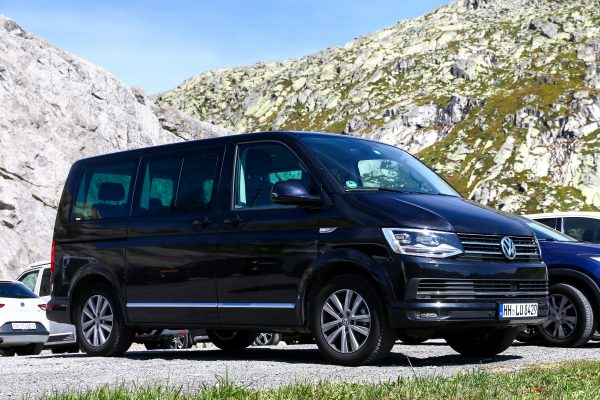
A relative of the iconic VW Camper, the Volkswagen Transporter is one of the most popular for camper conversion. With its easy to maintain layout, attractive looks, and comfortable ride it’s no surprise it has been a hit with the camping community. The Transporter is available in a variety of different lengths and specifications which means that there is something for everybody.
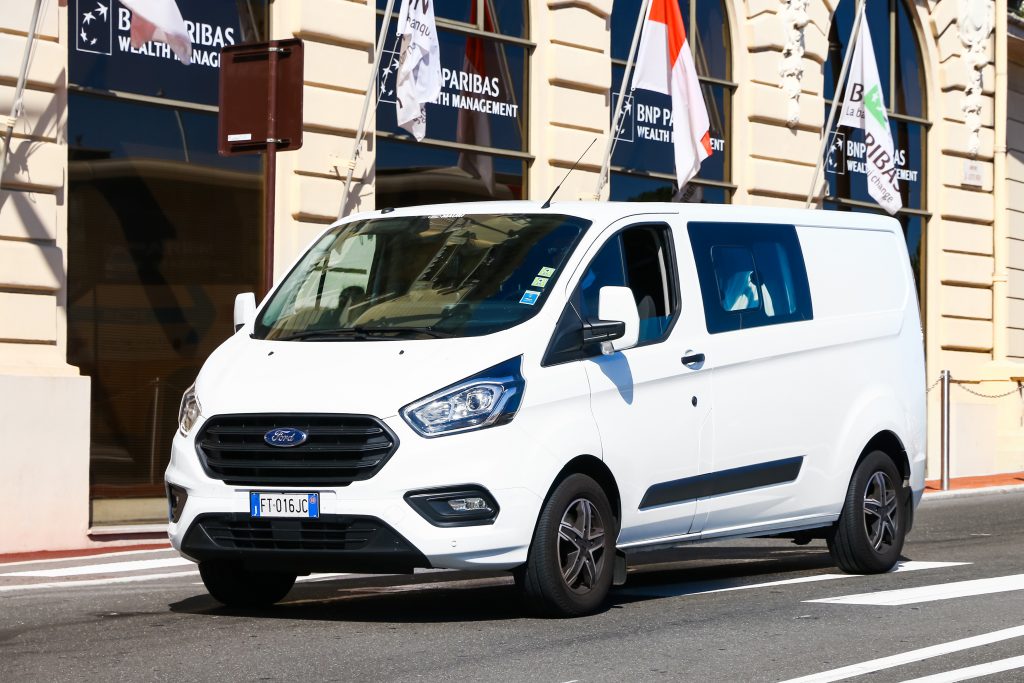
Ford Transit
A consistent British motoring heavyweight, the Ford Transit is a go-to van for campers. With a vast variety in load lengths and roof heights, they are a great starting point for conversion. If you are looking to purchase an older model, be sure to check for any signs of rust, in particular around wheel arches and sills.
Renault Trafic
This smart-looking van has bags of potential for a camper conversion. Renault’s unique styling makes you stand out from the panel van crowd and, with plenty of space in the back, it allows you to get creative with your designs and layout. It may not be your first thought but fitted with a rugged dependable engine, the Trafic is definitely a van worth considering.

Mercedes-Benz Sprinter
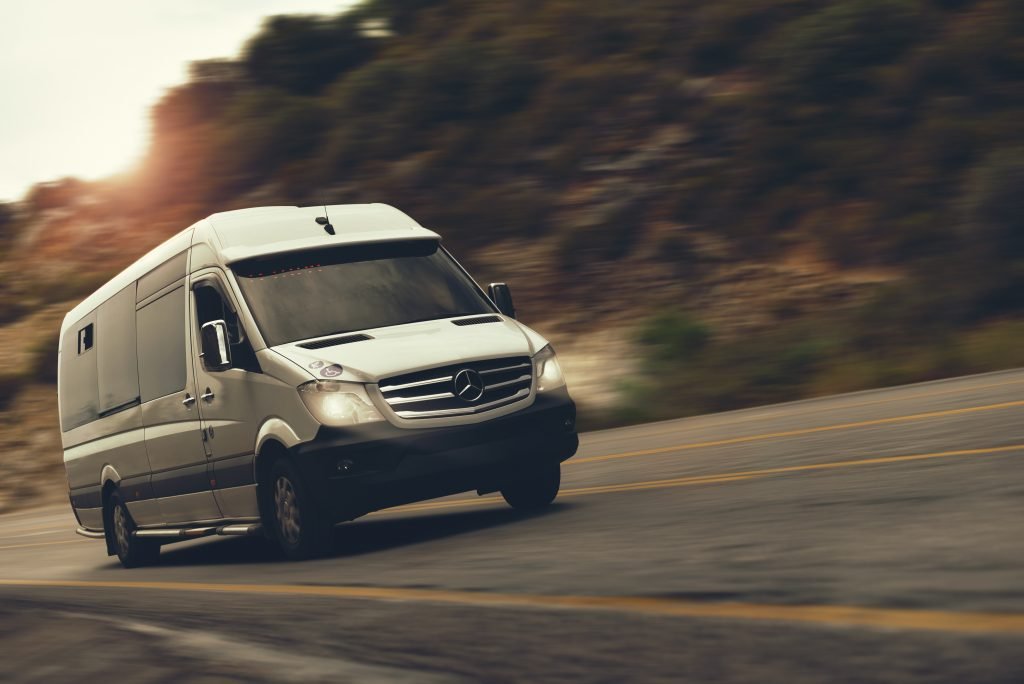
Looking for a van with some badge appeal? Then the Mercedes-Benz Sprinter is the van for you. Sporting the three-pronged star on the bonnet, the Sprinter provides loads of room for converting, so you can easily put your own stamp on it. Its excellent turbo-diesel engine gives you the reassuring power-train to base your conversion on.
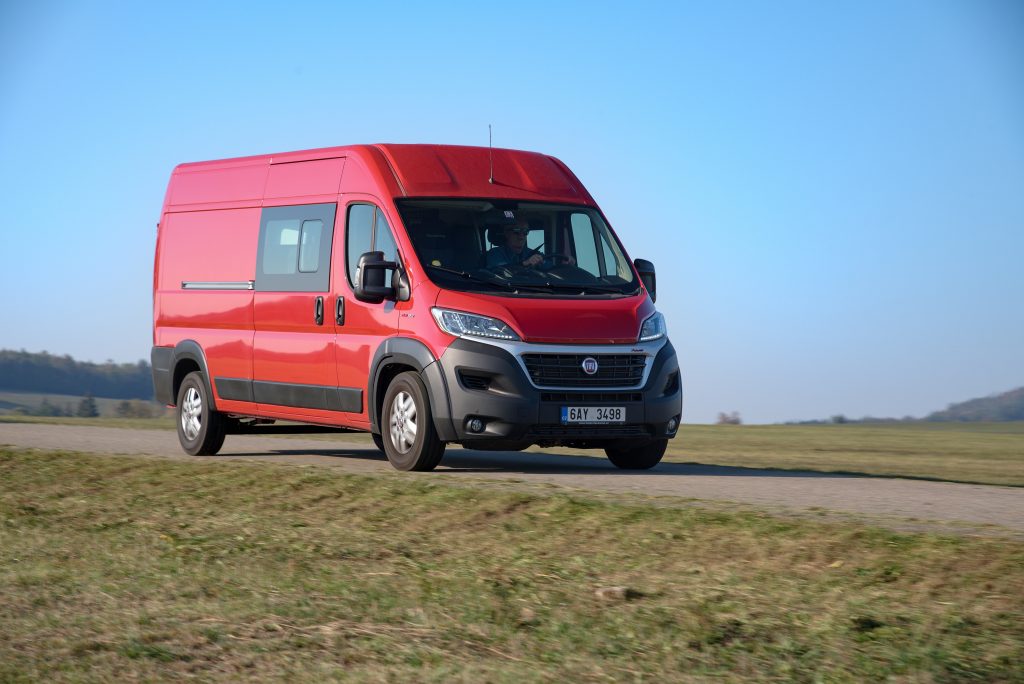
Fiat Ducato
The Fiat Ducato is a main base model for many full-blown motor-homes, which shows how solid and reliable this van is to work on and convert. Used Ducatos also represent excellent value for money, which means you will have some cash leftover for them much needed finishing touches.
After you have purchased your favourite camper converter van, Contact Duffy Motors and we will be happy to give your van a thorough service and check for any faults.
With only 4,321 new cars being sold since April, due to the corona virus pandemic having a drastic impact on the car manufacturing industry, individual model sales have only increased slightly over the past month. However, this hasn’t stopped many consumers as these cars in the list below they just cannot seem to stop buying.
-
Ford Fiesta
Topping the UK’s best-selling new car list every year since 2009, the Fiesta is a firm British favourite and it’s no surprise that it claims the top spot. Even after a major reshuffle in 2019 that saw the base models price increase by £2000, it is clear the Fiesta’s combination of efficiency, dynamism and plucky charm is still a winning formula with car buyers.

-
Ford Focus
More success for Ford as their family hatchback takes 2nd place. It’s sleek and sporty styling paired with a playful chassis set-up, engaging drive-line and improved ergonomics means it doesn’t come as a shock that it has lured buyers away from its German, Spanish and Czech competitors. In high demand throughout June, the Focus overtook the Volkswagen Golf in the sales charts, claiming the number two spot.

-
Volkswagen Golf
The highly anticipated new Golf has landed in the UK and, with critics unsure whether it would live up to its predecessor, it already had a lot to live up to. Fortunately, Volkswagen have not lost their touch with the Mk 8, its high-spec styling, efficient yet dynamic power-train and practicality make it difficult not to love.

-
Vauxhall Corsa
Runner-up in the super-mini class the Vauxhall Corsa finds itself in fourth place, remaining as Vauxhall’s best-selling model in Britain. The all-new PSA-developed car offers more appealing styling and a larger range of power-trains attracting a wider audience compared to its previous model. This combination is sure to keep the Corsa in the top 10 best-sellers list.

-
Nissan Qashqai
The Qashqai first went on sale in the UK way back in 2006 and is considered one of the founding fathers of the crossover class, which is now the most competitive and in-demand markets in the car industry. 14 years on, the second generation mid-sized SUV still remains the king.

-
Mercedes-Benz A-Class
A shock to most this premium entry from Mercedes makes sixth place. However, it shouldn’t be a shock at all when you take into consideration the variety of drivers the A-Class appeals to. With a range of petrol, diesel and now a plug-in hybrid option, each with an array of specifications and trim levels, the A-Class has become a real all-rounder.

-
Mini
A British classic, the Mini takes a spot in the top ten. With strong sales at the beginning of the year, the Mini climbs straight past best-sellers like the BMW 3 Series and VW Polo. And rightly so; there is plenty to like about this modern classic, including a spacious, stylish interior and a range of engines that pack a punch.

-
Toyota Yaris
Another supermini sneaks into the 8th spot, in June Toyota registered 4200 Yaris’ in the UK. That’s only 186 less than its Ford Fiesta rival. Offering great value-for-money, spacious interior, and high build quality the Yaris is in strong demand and is no surprise that it makes the list.

-
Kia Sportage
A familiar sight, the Kia Sportage has become a regular in the top-sellers list. It’s simple, easy-on-the-eye design paired with class-leading load capacity, affordability, and practicality this hatchback crossover has become a family favourite across the UK.

-
Volkswagen Polo
This sixth-generation Polo has dropped a few places over the past couple of years. It claimed the 6th best-selling car spot in 2018 and in December of that year it was runner-up to the Fiesta. The latest model includes a spacious, well-equipped interior and it hasn’t lost touch with its roots as VW have created the classic blend of comfort and agile handling.

Insurance claims are made every 6 minutes as a result of car theft in the UK, with the main concerns being over keyless vehicles. £376m worth of pay-outs were made in 2018 according to members of The Association of British Insurers, this is an increase of 29% from 2017. While there is no specific percentage on the amount of keyless cars that are recorded stolen, it is said that they are becoming a more desirable target for car thieves. Car thefts sky-rocketed at the start of 2019, with a total of 375,001 incidents recorded in the UK.
Who Are You Dealing With?
Professional Thieves
Professional car thieves prefer high-performance and popular models as the parts are interchangeable. These vehicles typically end up at scrapyards or “chop shops” to be dismantled and have the parts sold. Cars are also stolen for export to other countries, known as “stealing to order”, where requests are made for certain types of vehicle.
Joyriders
Joyriders favour high-performance and luxury cars. With the felon having no particular goal other than to steal and drive the car for as long as possible, most of these cases end up with the car being found, but with large amounts of damage to the vehicle.
How keyless theft works
Keyless car entry allows drivers to unlock and start their cars without needing to take the key out of their pocket or put it in the ignition. Thieves work in pairs and target car parked outside houses and on driveways. One of them holds a device close to the car which boosts the signal emitted from the car, while the other stands nearby with another device that relays the signal to the key, tricking the locking mechanism and allowing easy access to steal the vehicle.

Car models at the most risk as of 2019 include:
- Alfa Romeo
Giulia, Stelvio - Audi
A3, A4, A5, A6, A8, Q2, Q7 e-Tron, R8, S5 Sportback, SQ7, TT RS, TTS - BMW
2 series, M2, 3 series, 4 series Gran Coupe, 5 series, 6 series, 7 series, i3, i8 Roadster, X1, X2, X3, X4 - Citroen
C3 Pure Tech, C4 Picasso, Space tourer - DS Automobiles
DS7, DS4 Cross Back - Fiat
124 Spider, 500x - Ford
Eco-Sport, Edge, Fiesta, Focus RS, Galaxy, Kuga Vignale, Mustang, S-Max - Honda
Civic, HR-V - Hyundai
i10, i20, i30, i40, loniq, iX35, Nexo, Kona, Santa Fe, Tucson - Mercedes
A 200 AMG, C Class, E Class, S Class
Here are our top tips on how to keep your car more secure:
- The easier your vehicle is to steal, or the quicker it is, the more attractive it becomes to criminals. Anything you can do to slow down or make more awkward for the thieves or joyriders, will make your vehicle less of an appealing target.
- When leaving the vehicle unattended, close all windows and sunroofs.
- Don’t leave your car running and unattended.
- If valuables are kept in the vehicle, keep them out of sight from passers-by.
- Keep vehicle papers hidden in an obscure location, as often when a thief is pulled over, they are able to get away from police as he or she can produce legal documents found in the glove box.
- Avoid high risk areas, even if it adds time on to your journey.
- If your vehicle doesn’t already have one, fit an Anti-Theft System. Thieves are less likely to steal a vehicle if it can be recovered quickly.
- Most car thefts take place at night as the darkness provides extra cover for the thieves. If possible, park in well-lit areas.
- Be aware of your surroundings, especially in car parks and petrol stations.
- To prevent your car being towed away, leave the vehicle in gear with handbrake on and turn your wheel towards the curb or any other form of obstruction.
- If you are ever confronted by a thief, put your pride aside and remember cars can be replaced – you can’t.
Types of Anti-Theft Systems
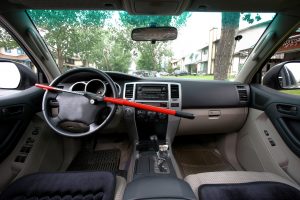 Steering and Tyre Lock- A mechanism that can attach onto a steering wheel or tyre to lock it in place, preventing a thief from driving away. Easy to install and great deterrent for thieves.
Ignition cut-off– A more advanced anti-theft device that disrupts the flow of electricity to the fuel pump and other critical systems, making it impossible for the car to be started without flicking the switch.
GPS Tracker- Although this device doesn’t prevent the car from being stolen, it is a simple way to have your car found by police no matter the location.
Greater Manchester’s councillors have agreed to introduce a new clean air zone. Under new proposals, buses, lorries and taxis could face fines of as much as £100 per day, should their vehicles not meet clean air guidelines.
However, it won’t just be just commercial vehicles which will be forced to pay fines if they don’t meet new clean air guidelines. Those who own an older vehicle will also have to prove that toxicity of waste emissions falls within agreed clean air thresholds.
This developed has hardly come as a bolt from the blue for those in the know. Recently, diesel vehicles have been in the spotlight with clean air campaigner’s adamant that diesel emissions are especially harmful. In response to this, levies such as VED (Vehicle Excise Duty) have been introduced.
Exploring the idea of having specific areas located within Manchester City Centre designated as clean air zones is a clear indication of the Manchester’s commitment to improving the environment for all concerned – something that has been on the council’s agenda for more than two years.

A New Dawn for Motoring in Manchester
At the first full council meeting to discuss the proposed changes, councillors agreed to investigate the possibility of banning through traffic inside the inner ring road. Although no details of how any measures would take shape or the charges motorists would face, councillors have agreed that the feasibility of creating a clean air zone bounded by the Manchester/Salford inner ring road should be explored.
The news is in stark contrast to comments made by Major Andy Burnham in late 2017. At the time, the major championed trialling electric buses and car sharing whilst encouraging flexible working hours and improving access to public transport and renovating train stations.
At the time, Manchester’s mayor was steadfast in his commitment to improving congestion and traffic bottlenecks, with pollution perceived as just a facet of the larger problems faced by those living and working in Manchester City Centre. However, no pledge was made to tackle the problem of pollution hotspots head on.
Under new proposals, the issue of pollution has been placed in the forefront of councillor’s minds, with Labour councillors viewing finding a solution to the issue as integral to the ongoing health and well-being of Manchester’s community.
Jon Connor Lyons and Marcus Johns spearheaded the latest proposal and have received unanimous support by both local Labour and Liberal Democrat politicians. Both Lyons and Johns believe that London’s ‘ultra-low emissions zone which charges drivers of older cars, in addition to older motorbikes, lorries, taxis and vans £12.50 to drive into the nation’s capital has been integral to successfully slashing toxic nitrogen dioxide emissions by 30% in the space of a few months.’
It’s clear that political opinions are swaying towards making Manchester a city that takes environmental matters seriously. Banning through traffic inside the inner ring road may well be just the beginning of wholesale motoring changes.
Manchester Joins the Nationwide Drive Towards Cutting Emissions
Manchester isn’t the only UK city determined to promote cleaner air in the city centre. York, Bristol, Birmingham and Oxford have also rallied to throw their support behind new proposals. Advocates of banning traffic in built-up, populous areas point to the fact that in large cities reasons for driving through the city centre are becoming increasingly sparse, especially with the wealth of public transport options.
This is no more apparent than in Manchester. With an expanded Metrolink infrastructure which can accommodate passengers travelling around the city centre and suburban areas on the outskirts with ease and convenience and the expected reform to the bus network through franchising – something that Major Andy Burnham has made on of his priorities, commuting in and around Manchester is more accessible than ever before. Do we even need to drive through the city centre?

It’s, perhaps, unfair to say that Manchester is merely joining a nationwide drive toward a change in commuting. If anything, the city is at the forefront of any change and demonstrating a progressive attitude towards creating better, more efficient and cleaner means of transportation.
The Health Consequences of Pollution in the City Centre
Current pollution levels in Manchester City Centre have long been a cause of concern. Andy Burnham cites these and says that there is no reason not to act. Moreover, by introducing a charging zone Job Connor Lyons is firm in his belief that Manchester must be ambitious in its plan to make the city safer for everyone who lives and works there. This includes taking a proactive approach to pollution.
Indeed, Manchester’s plans to improve air quality in the city centre has been supported by all ten of the councils of Greater Manchester. Although the most polluting offenders – older cars, lorries, taxes and buses have been consistently mentioned for the volume of carbon dioxide (C02), carbon monoxide (CO), Nitrogen Oxide (NOx), not too mention a wealth of hydrocarbons and particulates emitted by their exhaust are highly toxic to people, we’re yet to experience any rubber-stamped policies. But that’s not to say that we won’t begin to see sweeping changes in the coming years.
The Future
At present there’s a plan, which Andy Burnham has submitted, that will see a charge being levied for vans travelling across Greater Manchester, starting from 2023. This falls in line with Manchester’s legal responsibility to introduce appropriate measures to cut pollution in every area significantly.
The scale of any changes across the whole of Greater Manchester remains to be seen. Insiders have speculated that any pollution discussion has been thrown to the forefront of political discourse to coincide with the general election of earlier in the year.
What’s abundantly clear is that Manchester is determined to introduce measures to cut pollution in the city, and paying a toll may well be the most effective means of achieving environmental objectives.
The latest figures show that consumers are losing interest in making large purchases on credit. This isn’t a new trend in the automotive industry. There’s been a marked decline in people buying new cars since 2017.
However, this wasn’t always the case. The march of the brand-new car seemed, at one time, to be unstoppable. Cheap finance and PCP plans fuelled a boom in new car sales, with as many as 80% of cars registered were brand new vehicles. Then a collapse in consumer confidence and societal switch in perspective towards a more ecological approach halted the relentless surge of new car purchases.
So, why are so many people choosing to keep hold of their old cars?
The Average Age of Petrol Cars
Previous UK governments may have exalted diesel cars through road tax and company car tax policies, but it’s quite clear that motorists favour petrol cars over diesel. At the end of 2017, there were 18.3 million petrol cars on the road and, according to the Department for Transport, the average age was 9.1 years.
However, about 25% of UK petrol cars are 13 years or more old – the highest percentage since records began in 2004 when just 6.3% of cars were 13 years or older.
The Average Age of Diesel Cars
The once formidable number of diesel cars on the road has stuttered for the last few years. The lion’s share of the reason for this must come from the Volkswagen emissions scandal of 2015. In case you’re unaware, it was discovered that a hidden computer program can detect when cars are undergoing emissions tests and switches the engine to a mode where it emits less Nitrogen Oxide (NOx) to pass strict air quality tests.
In the UK, the average age of a diesel car is 6.6 years. Unlike petrol, only 9% of diesel cars are 13 years or older. It’s only been very recently that diesel-powered cars have emerged at the forefront of consumer confidence once again.

Reasons for the Slump in New Car Sales
In June, Ford announced that they are to close its Bridgend plant in 2020. However, this was just the latest in a series of blows to the UK car industry. February saw Honda announce that they plan to close its Swindon plant by 2021 whilst Jaguar Land Rover and Nissan are also cutting production and jobs.
Why is the new car industry struggling?
The Price of the Emission Scandal
Across Europe, emission woes continue to cause headaches for car firms. Air quality concerns and changes in taxation have both contributed to a 7% drop in new car registrations in 2018.
A solution doesn’t appear to be on the horizon either. The introduction of tough, new C02 emission standards, designed combat global warming has made it much more expensive for manufacturers to build new cars.
From 2021, manufacturers will face big fines by the EU if their fleets break agreed emission limits – which are expected to become progressively tougher as the years go by. Manufacturers will be forced to add 1000 Euros worth of technology to make sure that they comply with new EU rules. This cost will be reflected in the overall price of the vehicle and another reason for consumers to not choose to purchase a new car.

The China Effect
After years of growth, global car sales were broadly flat in 2018, largely because of the slump in demand in the world’s biggest market, China. Trade tensions between Washington and Beijing has soured the once strong relationship. The demand for new cars was already diminishing, but the poor trade relationship between the two global superpowers accentuated it.
Jaguar Land Rover has blamed its poor performance on falling Chinese demand. Ford pulled out of plans for a Chinese-made Ford Focus to be distributed in the US because of the impact of trade tariffs.
Waning consumer confidence in the US and Western Europe had already slowed new cars sales, but the tension in the relationship between China and the US and inability to agree on production has caused a ripple effect in consumer opinion.
Brexit
In the UK, leading car manufacturers have repeatedly warned of the dangers of a no-deal Brexit since the 2016 Referendum. Additionally, investment in the UK car industry has fallen significantly in the last two years – 46.5% in 2017 alone.
The problem is that British car plants rely heavily on components from the EU whilst most of the cars they build are then shipped off to the European mainland. Any uncertainties caused by Brexit is likely to take the form of tariffs which will likely cause bottlenecks and production delays which will result in the UK plants become less economic.
Uncertainty has resulted in fewer production of new cars means that less people are buying and with a positive economic outlook still being viewed with a degree of trepidation, major spending by the UK population is conservative at best.
The Takeaway
The good news for motorists is that car reliability is at, arguably, its highest percentage for generations. An increase in our technological prowess and production methods have resulted in better quality, more reliable cars than ever before.
The UK government has vowed to end the sale of diesel and petrol models by the year 2040 at which time, it’s presumed, there will be the infrastructure required to support electric cars. The emission scandal has demonised diesel, but consumers are still buying new diesel cars every single day.
China and the USA may be at loggerheads right now, but there’s no reason why the two countries won’t be able to agree on a mutually beneficial trade agreement that the car industry will directly benefit from, spurring on a dramatic upturn in new car sales.
The UK will leave the European Union that much is clear. The concerns of a no-deal Brexit in 2016 are not as strong as they are today. Regardless of whether the conservatives or labour lead the country into a new era of international relations, it’s clear that coming out of the EU without a deal is not an option.
The car industry, like any other, will evolve. It’s exciting to wonder what will change as we move into the 2020s.
PCH (personal contract hire) dominates how we own cars in the UK. According to the BVRLA (British Vehicle Rental & Leasing Association, 64% of new vehicle contracts in 2018 were recorded as PCH – and it’s not hard to understand why.
With flexible contract and mileage terms, ranging from 24 to 60 months, notable choice of vehicles,
fixed monthly repayments, and zero hassle once the contract agreement has expired, it’s no surprise
that motorists across the UK laud PCH as being a highly attractive way of owning a vehicle.
What’s more, at the end of your contract hire agreement, all you need to do is to return the vehicle
to the finance company. There’s no option to buy and you’ll be able to replace the vehicle with a
new one. However, there is one caveat. When you return the vehicle, you need to make sure that it
meets BVRLA Fair Wear and Tear Guidelines. If it doesn’t you may have to pay to fix any issues.
If you’ve leased a vehicle on PCH and it has incurred a dent, scratch or other damage throughout
ownership, it’s paramount that you get these fixed by a reputable garage, like Duffy Mechanics,
before returning the vehicle.
What Happens When I Return My PCH Vehicle?
When you return a PCH vehicle, it will undergo a thorough inspection. This will be completed either
a week before returning the vehicle or on the day of the return depending on the terms and
conditions of the finance company.
It’s important to remember that you’ll be charged the full amount to repair any damage if it’s not
covered by BVRLA Fair Wear and Tear guidelines will be chargeable. Typically, if required, you’re
then given a week to complete any repairs. However, if clear repairs are required the finance
company will send you an invoice for any work completed.
The value of the vehicle after the contract has expired is of little consequence to the finance
company when repairs are factored in. Therefore, you must make sure that your vehicle is in optimal
working condition for its age.
What Damage Is Acceptable Under the BVRLA Fair Wear and Tear Guidelines?
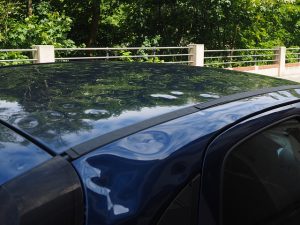 At the start of your leasing contract, your broker will give you documentation that outlines the
industry standard for vehicle wear and tear. It’s important to keep this safe as, not only will you
need it when you return the vehicle but, it acts reference throughout your leasing history.
It’s also good to keep an eye on the condition of your vehicle throughout ownership. Most of us
have a good eye for scratches or dents, especially if they’re distinct, such as a cracked windscreen or
noticeable eight-inch scratch on the paintwork. Remember that if you can see exterior or interior
damage, a vehicle inspector will too.
Fortunately, finance companies do allow for a little leeway and fair wear and tear, so you won’t be
responsible for small scrapes and scratches. If you’re unsure if you’ll be liable to pay for any damage,
this information is listed in the BVRLA Fair Wear and Tear guidelines, but for ease here’s what’s
considered acceptable.
- Scratches up to 25mm (except where the primer and bare metal is showing)
- Scuffs up to 25mm on alloy wheels
- Scratches that don’t interfere with the driver line of sight
- Tyres that meet UK legal requirements
- Light staining to the driver business seat area
- Damage to the lens (no broken glass)
If in Doubt, Visit Duffy Motors
Getting bumps, scratches or especially dents fixed will save you money. Period. However, what if
you’ve identified damage or faults to your PCH vehicle and are unsure if the damage is covered
under the BVRLA Fair Wear and Tear guidelines? Visit Duffy Motors.
It’s always wise to be proactive and understand your financial obligations when leasing a vehicle.
Neglecting to book your lease vehicle into a garage to assess any damage may result in costing you a
lot more money when a finance company provides you with a quote.
Duffy Motors has an established reputation as one of the premier garages in Manchester, a
reputation that’s been honed over thirty years of superlative service. If you need a garage to resolve
any issues that you’re experiencing with a PCH vehicle, get in touch with us today on 0161 834 4168.
Customer Reviews
See what some of our clients have shared about Duffy Motors
We Encourage our customers to share their experiences with us.