


The Problem
This Audi A6 came into us with a noticeable squeaking noise when starting from cold. The customer mentioned it was worse first thing in the morning and eased slightly as the engine warmed up, a common sign that something in the belt system isn’t quite right.
Our Diagnosis
After a full inspection, we traced the noise back to the auxiliary belt tensioner unit. This component keeps the belt running at the correct tension, and when it starts to wear out, it can cause that high-pitched squeak you hear on start-up.
On this particular model, access isn’t straightforward. Due to the layout of the engine bay, we needed to remove the front section of the vehicle to properly reach and inspect the belt system. Taking the time to do this correctly ensures we don’t miss anything and can fix the issue properly first time.
The Fix
We replaced the faulty auxiliary belt tensioner with a new unit and reassembled everything carefully. Once completed, we tested the vehicle from cold again – no more squeak, and everything running smoothly as it should.
Another job done right, and one happy Audi back on the road.
The Problem: This Nissan NV200 van came in for a routine MOT. The owner hadn’t had it long and just wanted peace of mind that everything was in order. During the test, though, we spotted something worrying – all four tyres were over 20 years old and in poor condition. They were actually older than the van itself.
Tyres degrade with age, even if they still have tread. The rubber hardens, cracks, and loses grip, especially in wet conditions. It’s likely a previous owner had part-worn tyres fitted without realising how old they were.
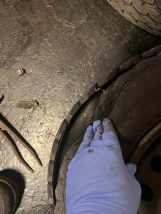
Our Diagnosis: The tyres were unsafe and failed the MOT. While checking the rest of the vehicle, we also found a faulty rear lamp, worn front brake pads and discs, and a sticking front brake caliper. None of these are unusual on a working van, but together they made the vehicle unsafe to be on the road.
The Fix: We fitted four brand new tyres, replaced the rear lamp unit, and renewed the front brake pads and discs. We also replaced the front brake caliper to ensure the brakes were working evenly and safely.
Once everything was done, the van passed its MOT and was back on the road in a safe, reliable condition, and the customer left knowing exactly what had been done and why.
The Problem With The A5
This Audi A5 came into the workshop with two worries: a persistent squeaking noise from the engine bay and a clutch that didn’t feel right. The owner was concerned the noise might be something serious – and they were right to get it checked sooner rather than later.

The Duffy Diagnosis

After inspecting the car, we traced the squeak back to the timing belt. Left alone, this can lead to much bigger (and more expensive) engine problems. We also confirmed the clutch was worn and needed replacing, along with the dual mass flywheel – a common issue on cars of this type as the miles add up.
On this model, the layout of the engine and gearbox makes access tight. Rather than struggle and risk cutting corners, we chose the proper method: dropping the entire powertrain out of the vehicle. It’s a bigger job, but it’s the safest and most accurate way to do this repair properly.

The Fix
We replaced the timing belt, fitted a full new clutch kit and installed a new dual mass flywheel. Everything was reassembled, tested, and road-checked.
The result? No more squeaks, smooth gear changes, and a car that now drives beautifully again – just as an Audi should.
The Problem
A customer brought their Ford Focus diesel to us after a breakdown service advised it was safe to drive, but should go straight to a garage. They’d noticed smoke coming from under the bonnet and a strong smell while driving. Understandably, it was worrying, smoke is never something you want to see coming from your engine.

Our Diagnosis
Once the car arrived, we carried out a full inspection. The issue turned out to be a failed fuel injector seal. This meant combustion gases from inside the engine were escaping around the injector and into the engine bay. That’s what caused the smoke and the unpleasant smell.
Unfortunately, once we’d looked further, it was clear the car also had several other issues developing. While the injector seal itself can usually be repaired without major work, the overall condition of the vehicle meant costs were starting to add up.
The Outcome
After discussing the options, the customer decided it wasn’t worth investing further money into the car given its age and condition, and chose to scrap the vehicle instead.
Sometimes the best decision isn’t repair but knowing when it’s time to move on — and we’re always honest with customers so they can make the right choice for their
Tyre tread depth refers to the vertical measurement between the top surface of the tyre’s tread rubber and the bottom of its main grooves. This depth is what allows tyres to grip the road effectively. Tread patterns, with their channels and grooves, are specifically designed to displace water, enhance traction, and maintain stability across varying road conditions.
In the UK, the legal minimum tread depth for passenger vehicles is 1.6mm across the central three-quarters of the tyre’s width and around the full circumference. Anything below this is not only unsafe but also unlawful.
Why Tread Depth Matters
Having sufficient tread depth is essential for safe driving. Worn tyres with shallow tread significantly reduce braking performance, increasing stopping distances and putting you at greater risk of accidents. Adequate tread also prevents aquaplaning by dispersing water from beneath the tyre, ensuring better contact with the road surface in wet weather.
Good tread depth improves handling and cornering stability, giving you greater control, especially in emergency situations. Beyond safety, maintaining healthy tread extends the life of your tyres, saving money on premature replacements and contributing to overall vehicle reliability.
Legal Requirements and Safety Standards (UK)
In the UK, driving with tyres below the legal minimum of 1.6mm can result in fines of up to £2,500 per tyre and three penalty points on your licence. For commercial vehicles, stricter maintenance checks are expected due to higher mileage and greater road safety risks.
While 1.6mm is the minimum, many safety experts and manufacturers recommend replacing tyres when tread depth reaches 3mm, as braking distances increase notably below this level. For winter conditions, deeper tread of at least 4mm is advisable to cope with snow and heavy rain.
Methods to Check Tyre Tread Depth
Visual Inspection Methods
A simple way to begin is by looking for tread wear indicators (TWIs). These are small raised bars moulded into the grooves of your tyre. If the tread is worn down to the same level as these indicators, your tyres are at or near the legal minimum.
You should also check for uneven wear patterns, which may point to issues such as incorrect wheel alignment, unbalanced tyres, or under/over-inflation. While inspecting, look for cracks, bulges, or embedded objects, any of which may require immediate professional attention.
The Coin Test Method
An easy home check is the 20p coin test. Insert a 20p coin into the main tread groove. If the outer rim of the coin is visible, your tread is likely below 3mm, meaning you should plan a replacement soon.
While quick and convenient, the coin test does not give an exact measurement and should be used as a guide rather than a substitute for proper tools.
Using Dedicated Measurement Tools
Tyre Tread Depth Gauge
A tread depth gauge is the most accurate tool for checking tyre condition. These gauges come in digital, dial, and simple slide formats. To use one, place the probe into the groove and press it flat against the tread surface. The reading will show you the exact depth in millimetres.
Using a gauge allows you to check multiple points across the tyre, ensuring you spot uneven wear and get a precise picture of tyre health.
Other Measurement Tools
Modern digital checkers and even some smartphone apps can measure tread depth. Professional garages and tyre centres also use advanced tools that combine tread and pressure checks, offering a complete tyre health assessment.
When and Where to Check
Tyre tread should be checked at least once a month and always before long journeys. For accuracy, take measurements across several grooves and at different points around the circumference, as tread wear is not always even.
Remember to check all four tyres, as wear may differ between the front and rear axles. Seasonal changes, such as the shift from summer to winter, are also a good reminder to perform more detailed checks.
Interpreting Results and Taking Action
Understanding Your Measurements
Readings above 3mm generally indicate your tyres are in good condition. Once they drop below this level, performance begins to decline, especially in wet weather. If your measurements are approaching 1.6mm, you are nearing the legal limit and should arrange for new tyres as soon as possible.
Tread wear indicators built into tyres provide a visual reference, helping drivers easily spot when replacement is necessary. It’s also worth noting that aggressive driving styles, such as harsh braking or cornering, can speed up tread wear.
When to Replace Tyres
Immediate replacement is necessary if your tread depth is at or below 1.6mm, or if there are signs of damage such as bulges, cuts, or exposed cords. Even before reaching the legal minimum, consider replacement if performance noticeably drops, especially in wet conditions.
Delaying replacement might save money short-term but could result in higher costs from accidents, penalties, or further vehicle damage. Balancing cost with safety is essential, and planning ahead ensures you’re never caught out.
Maintaining Optimal Tyre Health
Tread depth works hand in hand with tyre pressure and wheel alignment. Underinflated tyres wear more quickly at the edges, while overinflated tyres wear faster in the centre. Regularly checking and adjusting tyre pressures will help your tread last longer.
Wheel alignment and rotation are also key. Rotating your tyres every 6,000–8,000 miles helps even out wear patterns, extending lifespan. Adjusting your driving habits; smoother braking, careful cornering, and avoiding potholes, will also keep tread in better condition for longer.
If you have any doubt about the health of your tyres, why not pop in and we’d be happy to give them a once over!
As we start to wind down for Christmas, we wanted to let you know that we will be closed from Friday 20th December 2024 to Thursday 2nd January 2025.
Have a great festive break and we look forward to seeing you in the New Year!
Customer Reviews
See what some of our clients have shared about Duffy Motors
We Encourage our customers to share their experiences with us.