


Tyre tread depth refers to the vertical measurement between the top surface of the tyre’s tread rubber and the bottom of its main grooves. This depth is what allows tyres to grip the road effectively. Tread patterns, with their channels and grooves, are specifically designed to displace water, enhance traction, and maintain stability across varying road conditions.
In the UK, the legal minimum tread depth for passenger vehicles is 1.6mm across the central three-quarters of the tyre’s width and around the full circumference. Anything below this is not only unsafe but also unlawful.
Why Tread Depth Matters
Having sufficient tread depth is essential for safe driving. Worn tyres with shallow tread significantly reduce braking performance, increasing stopping distances and putting you at greater risk of accidents. Adequate tread also prevents aquaplaning by dispersing water from beneath the tyre, ensuring better contact with the road surface in wet weather.
Good tread depth improves handling and cornering stability, giving you greater control, especially in emergency situations. Beyond safety, maintaining healthy tread extends the life of your tyres, saving money on premature replacements and contributing to overall vehicle reliability.
Legal Requirements and Safety Standards (UK)
In the UK, driving with tyres below the legal minimum of 1.6mm can result in fines of up to £2,500 per tyre and three penalty points on your licence. For commercial vehicles, stricter maintenance checks are expected due to higher mileage and greater road safety risks.
While 1.6mm is the minimum, many safety experts and manufacturers recommend replacing tyres when tread depth reaches 3mm, as braking distances increase notably below this level. For winter conditions, deeper tread of at least 4mm is advisable to cope with snow and heavy rain.
Methods to Check Tyre Tread Depth
Visual Inspection Methods
A simple way to begin is by looking for tread wear indicators (TWIs). These are small raised bars moulded into the grooves of your tyre. If the tread is worn down to the same level as these indicators, your tyres are at or near the legal minimum.
You should also check for uneven wear patterns, which may point to issues such as incorrect wheel alignment, unbalanced tyres, or under/over-inflation. While inspecting, look for cracks, bulges, or embedded objects, any of which may require immediate professional attention.
The Coin Test Method
An easy home check is the 20p coin test. Insert a 20p coin into the main tread groove. If the outer rim of the coin is visible, your tread is likely below 3mm, meaning you should plan a replacement soon.
While quick and convenient, the coin test does not give an exact measurement and should be used as a guide rather than a substitute for proper tools.
Using Dedicated Measurement Tools
Tyre Tread Depth Gauge
A tread depth gauge is the most accurate tool for checking tyre condition. These gauges come in digital, dial, and simple slide formats. To use one, place the probe into the groove and press it flat against the tread surface. The reading will show you the exact depth in millimetres.
Using a gauge allows you to check multiple points across the tyre, ensuring you spot uneven wear and get a precise picture of tyre health.
Other Measurement Tools
Modern digital checkers and even some smartphone apps can measure tread depth. Professional garages and tyre centres also use advanced tools that combine tread and pressure checks, offering a complete tyre health assessment.
When and Where to Check
Tyre tread should be checked at least once a month and always before long journeys. For accuracy, take measurements across several grooves and at different points around the circumference, as tread wear is not always even.
Remember to check all four tyres, as wear may differ between the front and rear axles. Seasonal changes, such as the shift from summer to winter, are also a good reminder to perform more detailed checks.
Interpreting Results and Taking Action
Understanding Your Measurements
Readings above 3mm generally indicate your tyres are in good condition. Once they drop below this level, performance begins to decline, especially in wet weather. If your measurements are approaching 1.6mm, you are nearing the legal limit and should arrange for new tyres as soon as possible.
Tread wear indicators built into tyres provide a visual reference, helping drivers easily spot when replacement is necessary. It’s also worth noting that aggressive driving styles, such as harsh braking or cornering, can speed up tread wear.
When to Replace Tyres
Immediate replacement is necessary if your tread depth is at or below 1.6mm, or if there are signs of damage such as bulges, cuts, or exposed cords. Even before reaching the legal minimum, consider replacement if performance noticeably drops, especially in wet conditions.
Delaying replacement might save money short-term but could result in higher costs from accidents, penalties, or further vehicle damage. Balancing cost with safety is essential, and planning ahead ensures you’re never caught out.
Maintaining Optimal Tyre Health
Tread depth works hand in hand with tyre pressure and wheel alignment. Underinflated tyres wear more quickly at the edges, while overinflated tyres wear faster in the centre. Regularly checking and adjusting tyre pressures will help your tread last longer.
Wheel alignment and rotation are also key. Rotating your tyres every 6,000–8,000 miles helps even out wear patterns, extending lifespan. Adjusting your driving habits; smoother braking, careful cornering, and avoiding potholes, will also keep tread in better condition for longer.
If you have any doubt about the health of your tyres, why not pop in and we’d be happy to give them a once over!
It’s hard to think of a time when Britain’s roads have been more barren. Data from car insurance experts, Admiral, found that average number of trips taken by motorists decreased by 54% in just the first week of lockdown.
With the recent relaxation of safety measures, drivers across the UK may be tempted to get behind the wheel. However, let’s be clear. Although driving to the supermarket and pharmacy are permitted, driving to the countryside for a short spring holiday is not. We all need to stay alert, control the virus and save lives.
So, herein lie the questions: how do you look after your car during the coronavirus? What happens if you leave a car unused for a long period of time? If you’re unsure about how to keep your car in tip-top shape throughout lockdown, our simple guide should help you. Be sure to read all the tips as they’re all vital to keeping your car in good working when you’re not hitting the roads all too often, if ever.
Keeping your brake discs in good working order
When left stationary for prolonged periods, your car’s brake discs will begin to corrode. This causes two problems: a sticking handbrake, and eventually a complete seizing of your cars brakes entirely.
If your hand brake has seized, you’ll need a mechanic to fix the handbrake cable. Depending on whether you visit a local garage or a dealership service centre, this can cost you anywhere from £70 to £150.
Fortunately, preventing brake discs from corroding is reasonably easy. All you need to do is start the engine and inch your car forwards and backwards every so often. If you’re parked on a flat driveway, you shouldn’t have to worry about engaging the handbrake, however if you’re parked on a slope, make sure that you have hold of the handbrake – you don’t want to roll down a hill or hit a car behind you.
How long can you leave a car without starting it?
 Car engines are designed to be used frequently. They’re not designed to be used for a bi-weekly five-minute trip to the shops, let alone be stagnant on the owner’s driveway for months at a time.
If you don’t use your car regularly you can expect to several problems to mount. Battery fluid will drain which will cause its lifespan to be drastically reduced. Engine belts and wires will corrode, cylinder and valve walls will begin to fail, and most of the liquids, like engine oil and brake fluid will break down, losing their ability to lubricate essential components.
To stop your engine failing you’ll need to bring it to operating temperature. Oil, for instance, needs to have a consistent viscosity. The colder the oil, the thicker the oil becomes the more problems you’ll have. Thicker oils do not transfer heat as effectively as thinner oils which will affect your car’s reliability. This causes an accelerated chemical breakdown which can lead to harmful sludge deposits – something that you’ll have to visit a mechanic to fix.
Rotate the essential journeys if you have more than one car
Some people think that by just starting their car, revving the engine a little and then leaving it running on the driveway for a few minutes is enough to keep it in reasonable shape whenever they’re not using it routinely.
Well, according to the RAC this could do more harm than good. Why? Just starting your car and leaving it running for five minutes every so often is a good way to drain the battery. The RAC recommend driving your vehicle for 15-20 minutes to keep the battery in tip-top shape.
If you live in a two-person household, try alternating essential journeys when you order your click and collect from the local supermarket, pick up any prescriptions or head out on an essential journey. However, be mindful that repeated short journey’s will drain your battery, so following the government’s guidelines of shopping for necessities as infrequently as possible is good practice.

Keep an eye out for flat tyres
Most of us don’t remove the wheels and tyres of our cars when storing them cars on the driveway for a long time. This is a great way to preserve tyre integrity.
The weight of the car pushing down on the tyres causes them to bulge and develop flat spots. This is a common defect that afflicts cars that are left stationary for weeks or months at a time. The best way to keep your tyres in good shape when not using your car is to make sure that they’re fully inflated.
General guidelines state that tyres should be inflated to 50 psi to prevent flat spotting. So, keep your tyres inflated if you want to keep your car in tip-top shape during lockdown. If you don’t have a tyre inflator, don’t worry. You can buy one for around £20.00 – which is a whole lot cheaper than having to have your tyres replaced!
These are our four tips on how to look after your car during the coronavirus lockdown. If you’d like to learn more about how to care for your car in lockdown or have any further questions contact Duffy Motors today on 0161 834 4168. With more than thirty years’ experience, we can offer you sound car care advice, both in the short and long-term.
.
It sounds like a scene from a Wallace & Gromit movie and indeed the consequences can be equally perilous. You’ve had a long day at work… or perhaps your mind is on the weekend’s derby game… you’re on the petrol station forecourt and you’ve realised that even though it’s called a petrol station you actually need diesel for this car. And now you’ve just filled the tank (precisely rounding it off to an exact pound… always important) with expensive – and perfectly unusable – fuel.
What to do? Well, the first thing is not to panic and certainly not to beat yourself up about it. We’ve all done it, and it happens all the time. However if you read this guide on how to prevent the situation happening in the first place… and then what to do if it does happen, you have at least put in the ground work. And you will have done what you can to avoid perhaps the most aggravating mistake in day-to-day life… along with losing your glasses and putting on the wrong trousers (because you can’t find your glasses).
Check behind the petrol cap cover
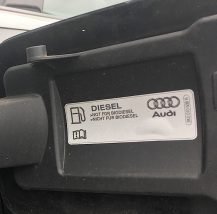 First of all let’s think about prevention, and stopping the situation happening in the first place. You may find, for instance, that there is a reminder – on the inside of the fuel flap – that informs you of the fuel you must use for that vehicle. This can be particularly useful if you have multiple cars in the family, that perhaps use different fuel. With the best will in the world, it doesn’t take much for you to lose track of which one you’re in, so having a written reminder can really help clarify the situation. If you want to go further, and have £15-30 to spend (remembering it can prevent a costly mistake) you can buy a diesel fuel cap that will actually physically prevent you filling a diesel car with petrol, as diesel pumps are usually a little bigger than the petrol ones anyway. But of course nothing beats the very simple strategy of paying attention every time you pull up on the forecourt and taking your time, no matter what is running through your mind, to think through what fuel you need.
Don’t move!
So that’s the prevention side of things. If you’ve read all of that but still use the wrong fuel, then read on for the cure. Firstly, on realising the mistake, in no circumstances turn on the engine or attempt to drive the car. In fact, don’t even put the key in. Instead, put the car into a neutral gear and either yourself, or with help (perhaps a friendly someone from the petrol station) move the car away from the pumps and into a secure location. You will need to tell someone at the petrol station about the situation (sparing blushes) and then consider next steps. This might include phoning your breakdown cover provider, should you have one, or perhaps your insurer, if you are covered for this eventuality. If you are covered – then lucky you – they may well tow you home and then organise draining out the fuel. If not, you will need to contact a local garage and have someone come out to save you, someone trained in how to drain out the wrong fuel, flush out the system and allow you to fill up with the right fuel. Be prepared to pay over a hundred pounds for the call out AND the mechanic is likely to keep the drained fuel as well.
So what’s the big deal anyway? Well, if you’ve got a diesel car you may know the diesel acts very differently to petrol, and actually helps lubricate the engine. Add petrol to that mix and you in effect add a solvent that stops that process, creating friction and damaging the engine immediately. Conversely, if you have a petrol car and add diesel, then you’ll probably find that the car won’t start at all, as diesel acts very differently to petrol. And that will actually save you time and bother because after all of this, if you do start the car and drive away with the wrong fuel, the car will soon stop working and you will be faced with much more damage and potential costs to fix the situation.
Best advice? Just think very carefully the next time you pull up to fill up. Fuel is expensive these days, as we all know… but not as expensive as getting this one wrong.
Customer Reviews
See what some of our clients have shared about Duffy Motors
We Encourage our customers to share their experiences with us.